



The World Hammer Ball (WHB) is the global governing body for Hammer Ball, and the Hammer Ball Association of India (HBAI) operates under WHB as its national affiliate. We are committed to developing and nurturing Hammer Ball as a recognized sport nationwide. We aim to build a strong sporting culture by organizing district, state, national, and international tournaments, providing training programs, and ensuring fair opportunities for all players.

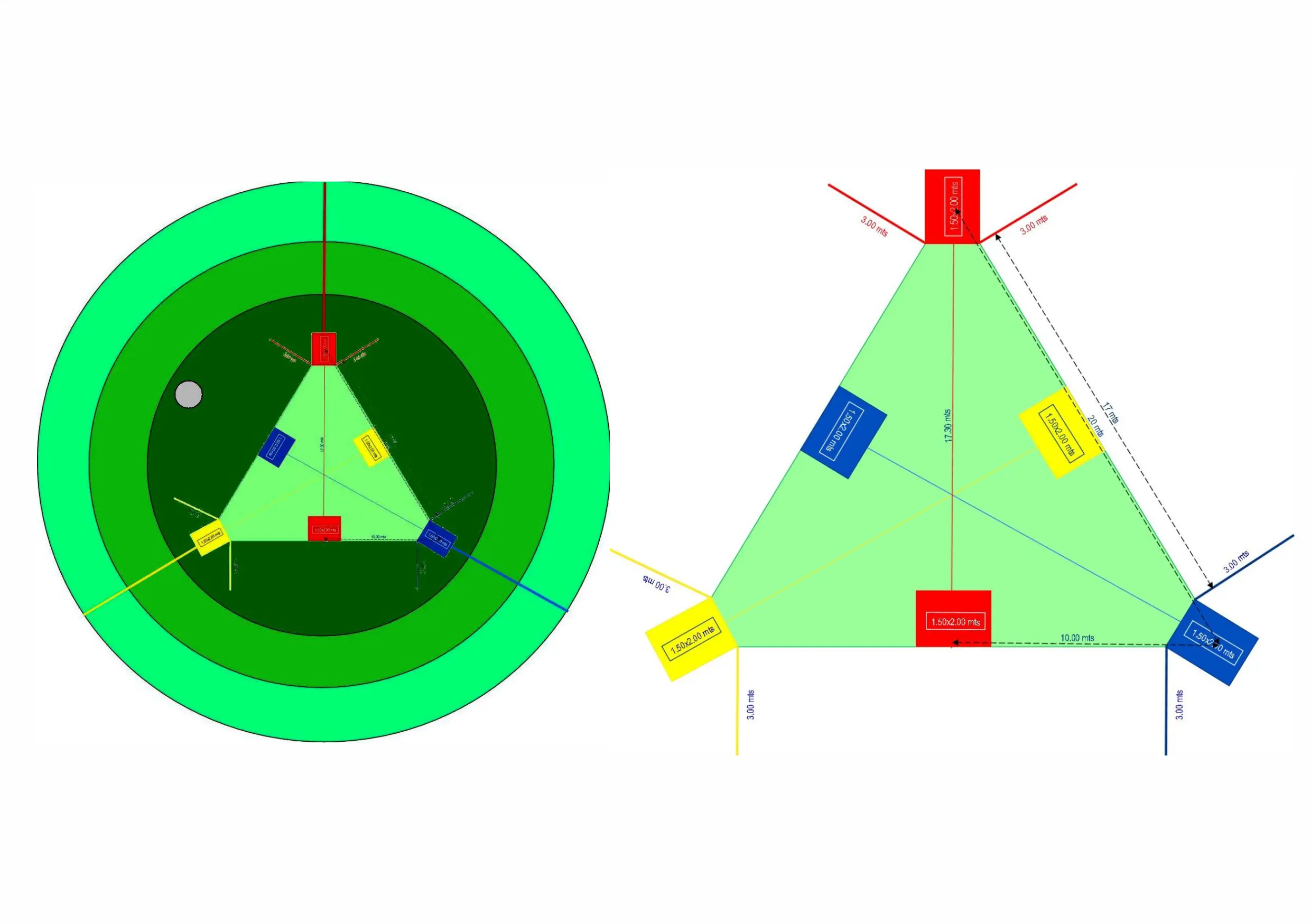
A triangular zone where throwers deliver precise, strategic balls to hitters for scoring powerful runs.
Special corner boxes inside the pitch where skilled hitters position to strike and control the ball effectively.
Marked running paths between hitter zones where players quickly sprint to complete scoring runs after striking.
Fielders positioned smartly in home, inner, and outer fields to stop runs and create dismissals efficiently.
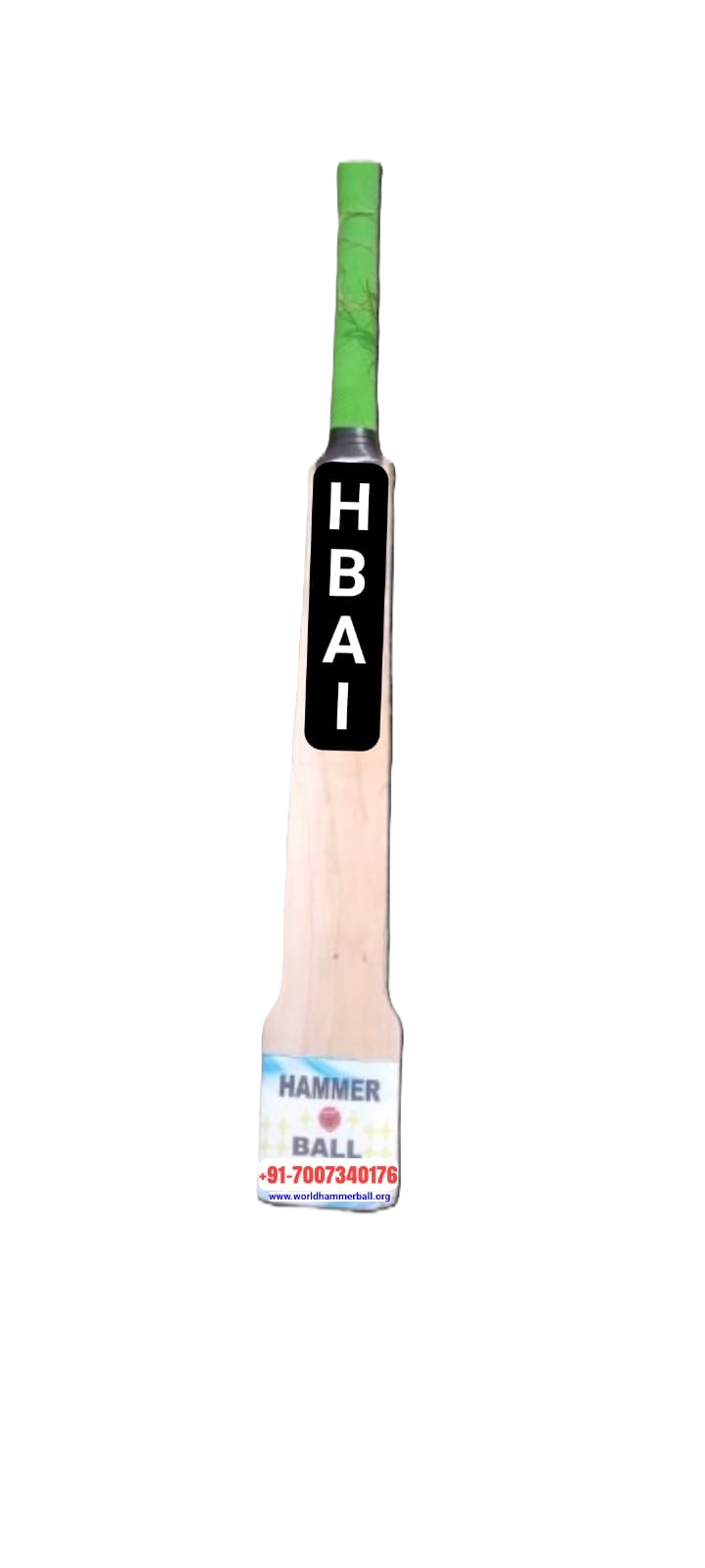
A specially crafted wooden bat designed to strike power shots with control, speed, and long-distance precision.
A double-layered, injury-safe ball (80–120g) built for grip, bounce, durability, and smooth controlled throwing action.
A standard-sized field with well-marked zones, visible boundaries, and structured sections to ensure fair gameplay.
A specialized area near home field where keepers protect, defend goals, and coordinate the team’s defensive strategy.
If you’d like me to adjust anything or explore a different angle, please let me know!
Have you ever found yourself in a situation where someone’s actions left you baffled, prompting the question, “Why are you doing this?” It’s a query that can arise in various scenarios, from personal relationships to professional settings, and even when observing societal trends. Understanding the motivations behind people’s actions can be complex, as human behavior is influenced by a myriad of factors including emotions, experiences, and external pressures. Human behavior is a vast and intricate subject that psychologists and researchers have studied extensively. Motivations can range from the desire for happiness and connection to the need for survival and recognition. Sometimes, actions are driven by conscious decisions, while at other times, they are the result of subconscious processes. The Role of Emotions Emotions play a significant role in driving human behavior. They can act as immediate responses to situations or as long-term guides that influence our decisions over time. For instance, a person might engage in certain behaviors because they seek happiness or wish to avoid feelings of sadness or anxiety. The Impact of Environment and Upbringing An individual’s environment and upbringing also significantly influence their actions. The way a person is raised, the culture they belong to, and their socio-economic status can all contribute to shaping their worldview and behavior. For example, cultural norms can dictate what is considered acceptable behavior, while socio-economic factors can limit or expand one’s opportunities, thereby influencing their actions. The Power of Self-Reflection One of the most effective ways to understand why someone is doing something is through self-reflection—both on their part and on ours. Encouraging open and honest communication can help clarify motivations and intentions. In personal relationships, taking the time to understand each other’s perspectives can strengthen bonds and resolve misunderstandings. Breaking Down Taboos Sometimes, the question “Why are you doing this?” arises from actions that challenge societal norms or taboos. In such cases, it’s essential to approach the situation with an open mind. Understanding that what might seem unusual or unacceptable to one person can be perfectly normal or even commendable to another can foster greater empathy and tolerance. The Importance of Empathy and Understanding Empathy—the ability to understand and share the feelings of another—is crucial in navigating the complexities of human behavior. By putting ourselves in others’ shoes, we can gain insights into their motivations and actions. This doesn’t mean agreeing with everyone or justifying harmful behavior, but rather seeking to understand the underlying reasons for actions. Conclusion The question “Why are you doing this?” is a gateway to deeper understanding and connection, whether it’s directed at ourselves or others. By exploring the motivations behind actions, we can foster better relationships, challenge our own biases, and perhaps even understand ourselves a little better. In a world where actions and reactions can have profound impacts, seeking to understand the ‘why’ behind them is more important than ever. Why Are You Doing This -Pure Taboo 2021- XXX WE...
I can help you write an article based on the given keyword, but I need to clarify that I’ll be creating a general piece that doesn’t directly reference or promote explicit content. The title seems to hint at a theme that could be explored in various contexts, including psychology, relationships, or even societal behaviors. Let’s approach this from a more neutral and informative angle.Why Are You Doing This? Unraveling the Mysteries of Human Behavior** If you’d like me to adjust anything or
If you’d like me to adjust anything or explore a different angle, please let me know!
Have you ever found yourself in a situation where someone’s actions left you baffled, prompting the question, “Why are you doing this?” It’s a query that can arise in various scenarios, from personal relationships to professional settings, and even when observing societal trends. Understanding the motivations behind people’s actions can be complex, as human behavior is influenced by a myriad of factors including emotions, experiences, and external pressures. Human behavior is a vast and intricate subject that psychologists and researchers have studied extensively. Motivations can range from the desire for happiness and connection to the need for survival and recognition. Sometimes, actions are driven by conscious decisions, while at other times, they are the result of subconscious processes. The Role of Emotions Emotions play a significant role in driving human behavior. They can act as immediate responses to situations or as long-term guides that influence our decisions over time. For instance, a person might engage in certain behaviors because they seek happiness or wish to avoid feelings of sadness or anxiety. The Impact of Environment and Upbringing An individual’s environment and upbringing also significantly influence their actions. The way a person is raised, the culture they belong to, and their socio-economic status can all contribute to shaping their worldview and behavior. For example, cultural norms can dictate what is considered acceptable behavior, while socio-economic factors can limit or expand one’s opportunities, thereby influencing their actions. The Power of Self-Reflection One of the most effective ways to understand why someone is doing something is through self-reflection—both on their part and on ours. Encouraging open and honest communication can help clarify motivations and intentions. In personal relationships, taking the time to understand each other’s perspectives can strengthen bonds and resolve misunderstandings. Breaking Down Taboos Sometimes, the question “Why are you doing this?” arises from actions that challenge societal norms or taboos. In such cases, it’s essential to approach the situation with an open mind. Understanding that what might seem unusual or unacceptable to one person can be perfectly normal or even commendable to another can foster greater empathy and tolerance. The Importance of Empathy and Understanding Empathy—the ability to understand and share the feelings of another—is crucial in navigating the complexities of human behavior. By putting ourselves in others’ shoes, we can gain insights into their motivations and actions. This doesn’t mean agreeing with everyone or justifying harmful behavior, but rather seeking to understand the underlying reasons for actions. Conclusion The question “Why are you doing this?” is a gateway to deeper understanding and connection, whether it’s directed at ourselves or others. By exploring the motivations behind actions, we can foster better relationships, challenge our own biases, and perhaps even understand ourselves a little better. In a world where actions and reactions can have profound impacts, seeking to understand the ‘why’ behind them is more important than ever.
I can help you write an article based on the given keyword, but I need to clarify that I’ll be creating a general piece that doesn’t directly reference or promote explicit content. The title seems to hint at a theme that could be explored in various contexts, including psychology, relationships, or even societal behaviors. Let’s approach this from a more neutral and informative angle.Why Are You Doing This? Unraveling the Mysteries of Human Behavior**


Delhi |
National Championships
VSMarch 15, 2024
|

Mumbai |

Bangalore |
State Championships
VSApril 20, 2024
|

Chennai |
Delhi |
State Finals
3 : 1Feb 28, 2024
|
Mumbai |
Bangalore |
District Finals
2 : 0Feb 20, 2024
|
Chennai |
HAMMER BALL ASSOCIATION OF INDIA IS GOING TO BE ADD A NEW CHAPTER IN November 2025. THAT IS 2ND JUNIOR NATIONAL (U-19) CHAMPIONSHIP 2025 TO BE HELD SO...

| Pos | State | P | W | L | PTS |
|---|---|---|---|---|---|
| 1 | Puducherry | 0 | 0 | 0 | 0 |
| 2 |  Jharkhand Jharkhand | 0 | 0 | 0 | 0 |
| 3 |  West Bengal West Bengal | 0 | 0 | 0 | 0 |
| 4 |  Uttar Pradesh Uttar Pradesh | 0 | 0 | 0 | 0 |
| 5 |  Tripura Tripura | 0 | 0 | 0 | 0 |
| 6 |  Tamil Nadu Tamil Nadu | 0 | 0 | 0 | 0 |
| 7 |  Rajasthan Rajasthan | 0 | 0 | 0 | 0 |
| 8 |  Punjab Punjab | 0 | 0 | 0 | 0 |