Công ty phát triển công nghệ Thái Sơn

Thaison technology development company

 
Phía Bắc: 1900.4767
Phía Nam: 1900.4768

-steamapi Registercallresult- (2027)

// Make an asynchronous call to retrieve the user's profile information uint64_t callId = steamUser->GetPlayerSummary(steamID); // Register a callback function to handle the result steam->RegisterCallResult(callId, &MyCallbackFunction); // Callback function to handle the result void MyCallbackFunction(SteamUser::GetPlayerSummary_t *summary) { // Handle the result of the call printf("Player name: %s ", summary->player_name); } In this example, we make an asynchronous call to retrieve a user’s profile information using GetPlayerSummary . We then register a callback function MyCallbackFunction using RegisterCallResult , passing in the call identifier and a pointer to the callback function. When the asynchronous call completes, the Steam API executes the callback function, passing in the result of the call.

The Steam API is a powerful tool that allows developers to interact with the Steam platform, enabling them to create games, applications, and services that integrate seamlessly with the Steam community. One of the key features of the Steam API is the RegisterCallResult function, which plays a crucial role in handling asynchronous calls and callbacks. In this article, we’ll delve into the world of Steam API’s RegisterCallResult and explore its functionality, usage, and best practices. -steamAPI registercallresult-

Here’s an example of using RegisterCallResult to retrieve a user’s profile information: // Make an asynchronous call to retrieve the

Understanding Steam API’s RegisterCallResult Function** The Steam API is a powerful tool that

In conclusion, RegisterCallResult is a powerful function in the Steam API that enables developers to handle asynchronous calls and callbacks with ease. By understanding how to use RegisterCallResult effectively, developers can write more efficient, scalable, and maintainable code that integrates seamlessly with the Steam platform. Whether you’re building a game, application, or service, RegisterCallResult is an essential tool to have in your toolkit.


Tải phần mềm

-steamAPI registercallresult-

Phần mềm Hải quan điện tử ECUS

-steamAPI registercallresult-

Phần mềm hóa đơn điện tử E-INVOICE

-steamAPI registercallresult-

Phần mềm thuế điện tử ETAX

-steamAPI registercallresult-

Phần mềm bảo hiểm xã hội điện tử EBH

-steamAPI registercallresult-

Phần mềm văn phòng điện tử CloudOffice

-steamAPI registercallresult-

Dịch vụ cung cấp chữ ký số ECA

-steamAPI registercallresult-

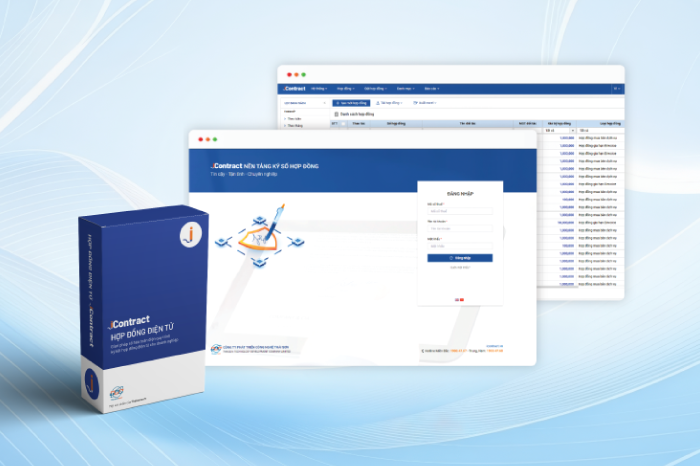
Phần mềm hợp đồng điện tử Icontract

-steamAPI registercallresult-

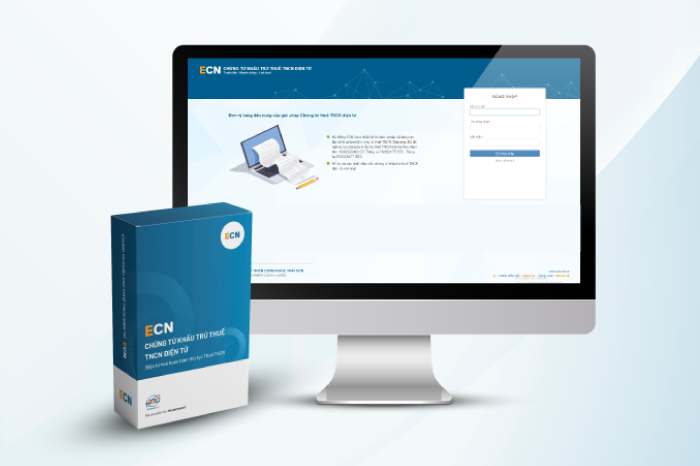
Chứng từ khấu trừ thuế TNCN ECN

-steamAPI registercallresult-

Phần mềm quản lý bán hàng TruePos

// Make an asynchronous call to retrieve the user's profile information uint64_t callId = steamUser->GetPlayerSummary(steamID); // Register a callback function to handle the result steam->RegisterCallResult(callId, &MyCallbackFunction); // Callback function to handle the result void MyCallbackFunction(SteamUser::GetPlayerSummary_t *summary) { // Handle the result of the call printf("Player name: %s ", summary->player_name); } In this example, we make an asynchronous call to retrieve a user’s profile information using GetPlayerSummary . We then register a callback function MyCallbackFunction using RegisterCallResult , passing in the call identifier and a pointer to the callback function. When the asynchronous call completes, the Steam API executes the callback function, passing in the result of the call.

The Steam API is a powerful tool that allows developers to interact with the Steam platform, enabling them to create games, applications, and services that integrate seamlessly with the Steam community. One of the key features of the Steam API is the RegisterCallResult function, which plays a crucial role in handling asynchronous calls and callbacks. In this article, we’ll delve into the world of Steam API’s RegisterCallResult and explore its functionality, usage, and best practices.

Here’s an example of using RegisterCallResult to retrieve a user’s profile information:

Understanding Steam API’s RegisterCallResult Function**

In conclusion, RegisterCallResult is a powerful function in the Steam API that enables developers to handle asynchronous calls and callbacks with ease. By understanding how to use RegisterCallResult effectively, developers can write more efficient, scalable, and maintainable code that integrates seamlessly with the Steam platform. Whether you’re building a game, application, or service, RegisterCallResult is an essential tool to have in your toolkit.

-steamAPI registercallresult-

Đăng ký thành công

Cảm ơn bạn đã đăng ký sản phẩm của THAISON.VN

Chúng tôi sẽ liên hệ lại với bạn trong thời gian sớm nhất.

Trân trọng cảm ơn

Trang chủ
-steamAPI registercallresult-

Đang gửi thông tin

Vui lòng trong giây lát.

Video giới thiệu