In Sri Lanka, Scooby Doo was first introduced in the early 2000s, with the show airing on local television channels. The show quickly gained popularity, with many fans tuning in to watch the adventures of Scooby and his friends. The Sinhala version of the show, also known as “ස්කූබි ඩූ සිංහල” (Scooby Doo Sinhala), was widely popular, with many fans appreciating the show’s blend of mystery, humor, and adventure.
The popularity of Scooby Doo in Sinhala has had a significant impact on the country’s entertainment scene. The show has inspired many young Sri Lankans to develop an interest in mystery-solving and detective work. Additionally, the show’s themes of teamwork, friendship, and critical thinking have resonated with audiences, making it a valuable resource for children’s entertainment and education. scooby doo sinhala
Before diving into the world of Scooby Doo in Sinhala, let’s take a brief look at the history of the cartoon. Scooby Doo, created by Hanna-Barbera, first aired in 1969 and has since become a cultural icon. The show follows the adventures of a group of teenagers, including Fred, Daphne, Velma, Shaggy, and Scooby, as they solve mysteries and uncover supernatural secrets. In Sri Lanka, Scooby Doo was first introduced
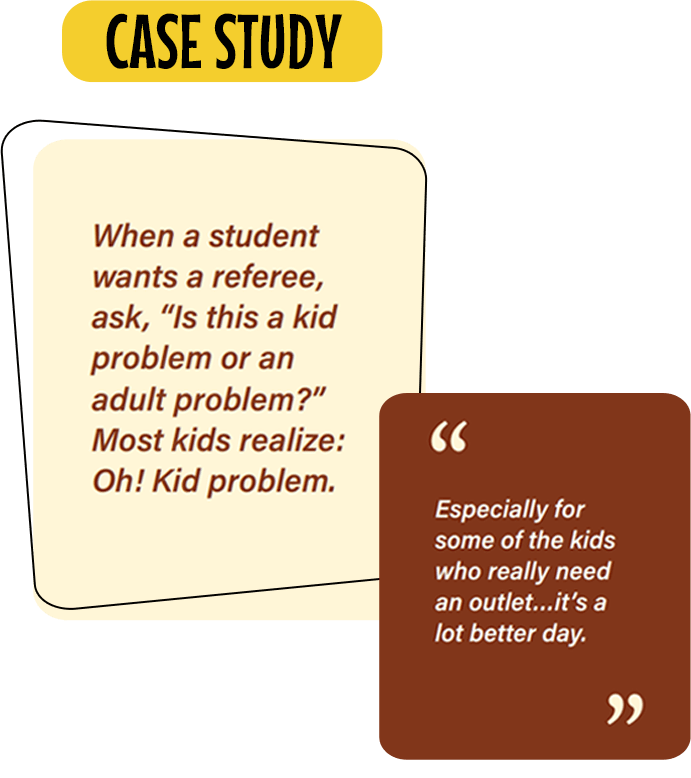
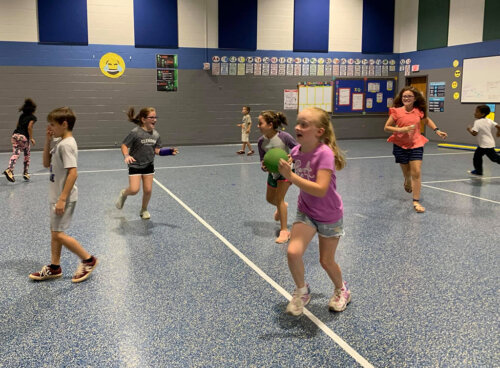
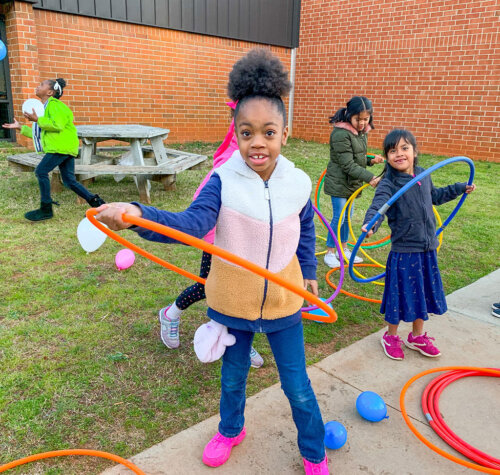
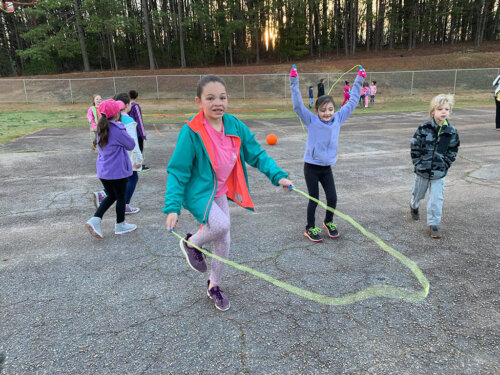
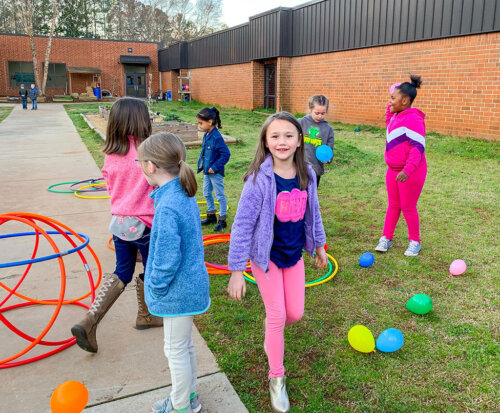
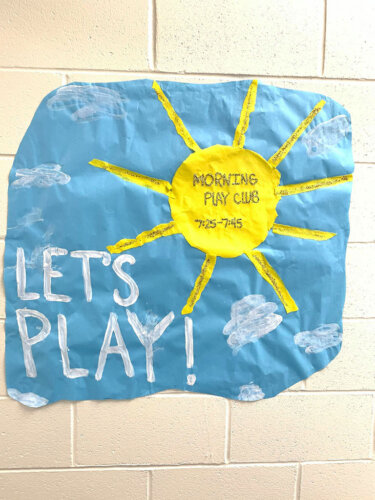
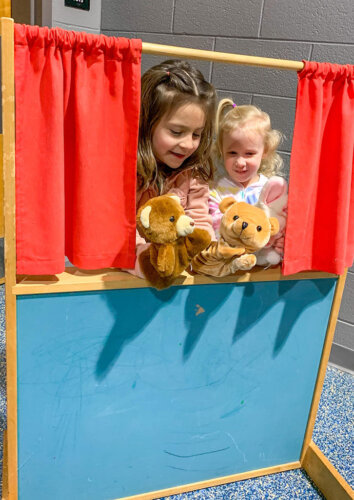
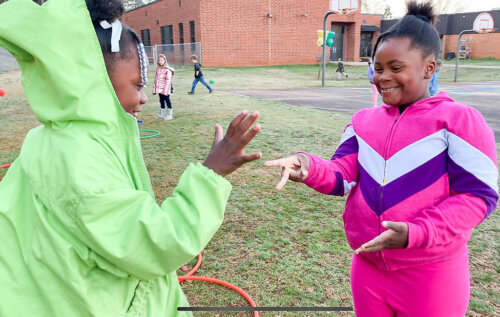
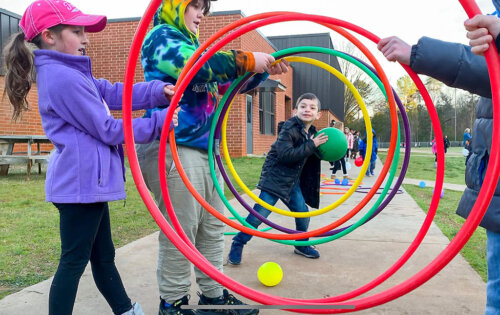
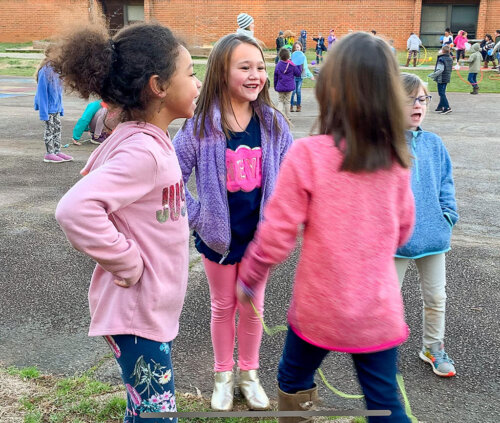
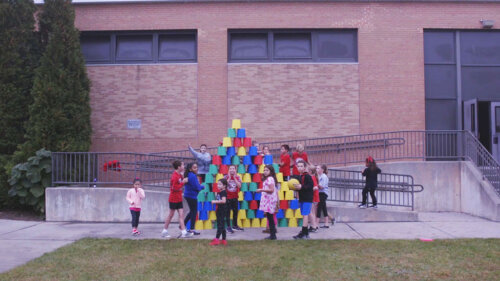
Students at Discovery Ridge Elementary in O’Fallon, Missouri, were tattling and fighting more than they did before COVID and expecting the adults to soothe them. P.E. Teacher Chris Sevier thought free play might help kids become more mature and self regulating. In Play Club students organize their own fun and solve their own conflicts. An adult is present, but only as a “lifeguard.” Chris started a before-school Let Grow Play Club two mornings a week open to all the kids. He had 72 participate, with the K – 2nd graders one morning and the 3rd – 5th graders another.
Play has existed for as long as humans have been on Earth, and it’s not just us that play. Baby animals play…hence hours of videos on the internet of cute panda bears, rhinos, puppies, and almost every animal you can imagine. That play is critical to learning the skills to be a grown-up. So when did being a kids become a full-time job, with little time for “real” play? Our co-founder and play expert, Peter Gray, explains in this video produced by Stand Together.