
Registro

Consigue tus credenciales

Registro

Descarga

Descarga GHC

Descargar

Noticias

Últimos eventos y novedades

Noticias

Old Tv Broadcast Page

Búsqueda automática

Encuentra de forma automática horarios semanales para centros educativos de cualquier tipo y complejidad. Orientado a colegios, institutos de enseñanza secundaria, bachillerato, centros de formación profesional, educación superior, universidades, facultades, escuelas de arte, conservatorios de música, etc.

Calidad y servicio

Ofrecemos servicio a cada usuario a través de un software de calidad. Nuestro equipo te acompañará hasta la obtención de la solución para tu horario, con la experiencia de más de 25 años ayudando a miles de centros de enseñanza de todo el mundo.

Optimización

Organiza el horario para que cumpla tus requisitos y se optimice con tus criterios. Busca y encuentra un compromiso que permita (1) incrementar el rendimiento de los alumnos, (2) mejorar el aprovechamiento de las aulas, y (3) ofrecer mayor satisfacción al profesorado en su trabajo.

Gestión de horarios

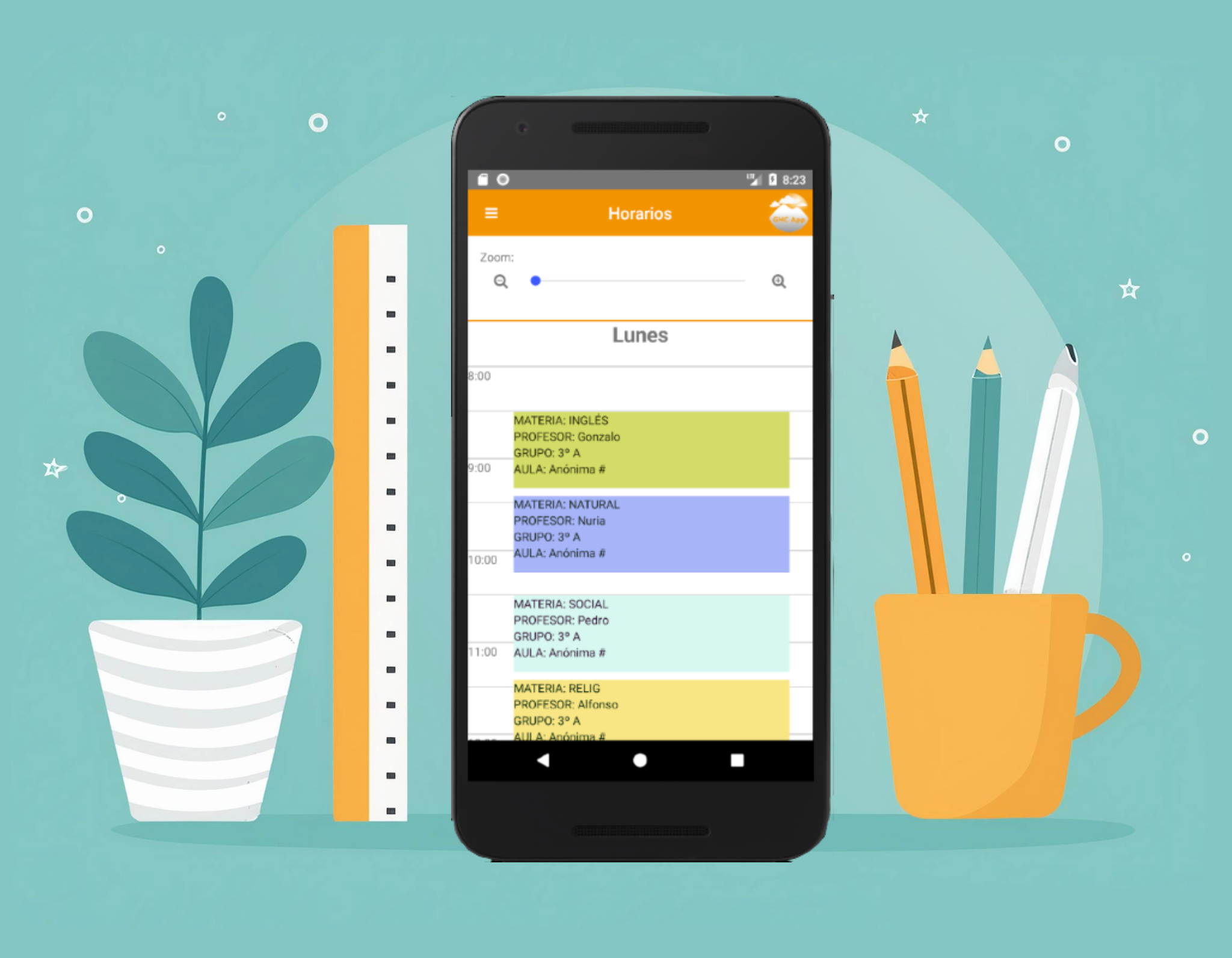
Utiliza nuestra aplicación web y móvil para colaborar en la elaboración y la gestión del día a día del horario. Publica y visualiza los horarios sobre el calendario con GHC App, gestiona las ausencias y suplencias del profesorado y genera informes de desempeño laboral.

Old Tv Broadcast Page

Old TV broadcasts from this era were often live, and the technology was still relatively primitive. TV studios were equipped with simple cameras, and broadcasts were often transmitted using a technique called “ kinescope,” which involved filming the live broadcast off a TV monitor.

The 1960s and 1970s saw a significant shift in the way TV shows were produced and broadcast. With the advent of video tape recorders (VTRs), TV shows could be pre-recorded and edited, allowing for more complex storylines and higher production values.

The first TV broadcasts took place in the late 1920s and early 1930s, with the first public demonstration of a TV system given by John Logie Baird in London in 1926. These early broadcasts were experimental and often consisted of test patterns, such as a rotating disk with a spiral of holes, or simple images like a ventriloquist’s dummy.

Old TV broadcasts from this era were often live, and the technology was still relatively primitive. TV studios were equipped with simple cameras, and broadcasts were often transmitted using a technique called “ kinescope,” which involved filming the live broadcast off a TV monitor.

The 1960s and 1970s saw a significant shift in the way TV shows were produced and broadcast. With the advent of video tape recorders (VTRs), TV shows could be pre-recorded and edited, allowing for more complex storylines and higher production values.

The first TV broadcasts took place in the late 1920s and early 1930s, with the first public demonstration of a TV system given by John Logie Baird in London in 1926. These early broadcasts were experimental and often consisted of test patterns, such as a rotating disk with a spiral of holes, or simple images like a ventriloquist’s dummy.

Visita nuestros videotutoriales
y aprende a utilizar GHC

Videotutoriales
Video presentacion GHC

15176

Centros de enseñanza suscritos a GHC en todo el mundo