

These are not the "great works" that fill museums after dark. They are the images that line stationery store shelves, decorate smartphone screens, and appear in the margins of textbooks. They are art that does not demand a gallery but invites a glance. In celebrating "Japon AM resimleri," we celebrate an art of daily life—an art that meets us not in the solemn hush of the PM, but in the quiet, hopeful light of dawn.
Dojinshi artists often appropriate and transform characters from mainstream manga and anime, creating parodies, alternate endings, or deeply personal stories. This "AM" world is fluid, ephemeral, and participatory. It operates on a gift-exchange logic as much as a market economy. The rough, unpolished linework—the hesitation marks , the visible erasures, the lack of screentone—becomes a marker of authenticity. These images are not failures of technique but rather expressions of a morning mindset: raw, honest, and in-progress. Another plausible reading of "AM" connects to Japan’s post-war Showa era (1926–1989), particularly its television culture. From the 1960s through the 1980s, Japanese morning television featured anime shorts, educational illustrations, and sansaku (craft) segments where hosts would draw simple, cheerful characters. These "AM resimleri" were didactic, optimistic, and stylized—the visual language of a nation rebuilding itself.
Kawaii functions as an emotional regulator for the start of the day. A "Japon AM resmi" might be a sticker on a bento box, a charm on a backpack, or a LINE stamp used in a good-morning message. Its primary purpose is to create micro-moments of warmth and connection. In a dense, high-pressure society, these small, morning-oriented images serve as psychological armor against the day’s stresses. They are the visual culture of omoiyari (consideration)—small, thoughtful pictures that say, "Have a gentle morning." The term "Japon AM resimleri" may be a translation artifact, but it illuminates a real and vital strand of Japanese visual culture. From the woodblock prints of the floating world to the self-published dojinshi of Comiket, from the nostalgic illustrations of Showa television to the global hegemony of kawaii, Japanese art has consistently excelled in the register of the morning: light, accessible, amateur-friendly, and emotionally immediate.
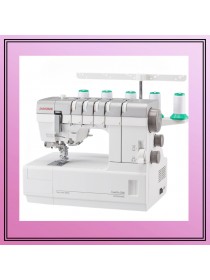
Встречайте НОВИНКУ - электронную швейную машину нового поколения Leader Easy Jeans 35ET с больш.. japon am resimleri
38 450 24 900 These are not the "great works" that fill museums after dark
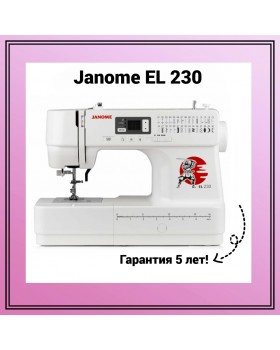
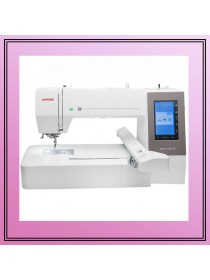
Janome EL 230 предлагает возможности компьютерной настройки и хороший баланс функциональности и цены.. In celebrating "Japon AM resimleri," we celebrate an
These are not the "great works" that fill museums after dark. They are the images that line stationery store shelves, decorate smartphone screens, and appear in the margins of textbooks. They are art that does not demand a gallery but invites a glance. In celebrating "Japon AM resimleri," we celebrate an art of daily life—an art that meets us not in the solemn hush of the PM, but in the quiet, hopeful light of dawn.
Dojinshi artists often appropriate and transform characters from mainstream manga and anime, creating parodies, alternate endings, or deeply personal stories. This "AM" world is fluid, ephemeral, and participatory. It operates on a gift-exchange logic as much as a market economy. The rough, unpolished linework—the hesitation marks , the visible erasures, the lack of screentone—becomes a marker of authenticity. These images are not failures of technique but rather expressions of a morning mindset: raw, honest, and in-progress. Another plausible reading of "AM" connects to Japan’s post-war Showa era (1926–1989), particularly its television culture. From the 1960s through the 1980s, Japanese morning television featured anime shorts, educational illustrations, and sansaku (craft) segments where hosts would draw simple, cheerful characters. These "AM resimleri" were didactic, optimistic, and stylized—the visual language of a nation rebuilding itself.
Kawaii functions as an emotional regulator for the start of the day. A "Japon AM resmi" might be a sticker on a bento box, a charm on a backpack, or a LINE stamp used in a good-morning message. Its primary purpose is to create micro-moments of warmth and connection. In a dense, high-pressure society, these small, morning-oriented images serve as psychological armor against the day’s stresses. They are the visual culture of omoiyari (consideration)—small, thoughtful pictures that say, "Have a gentle morning." The term "Japon AM resimleri" may be a translation artifact, but it illuminates a real and vital strand of Japanese visual culture. From the woodblock prints of the floating world to the self-published dojinshi of Comiket, from the nostalgic illustrations of Showa television to the global hegemony of kawaii, Japanese art has consistently excelled in the register of the morning: light, accessible, amateur-friendly, and emotionally immediate.
-280x350.png "Швейная машина Easy Jeans 35ET")
-280x350.png)
-280x350.png)
-280x350.png)
-280x350.png)
-280x350.png)
-280x350.png)
-280x350.png)
-280x350.png)
-280x350.png)
-280x350.png)
-280x350.png)
-280x350.png)
-280x350.png)
-280x350.png)