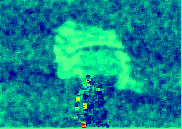
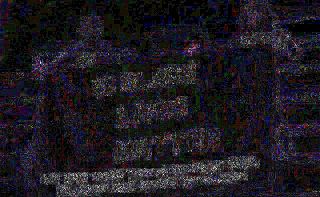
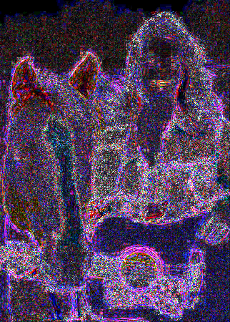
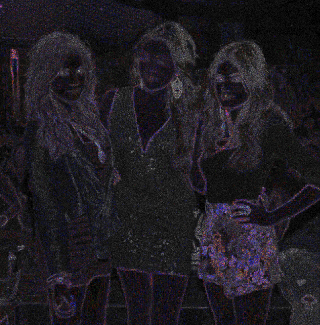
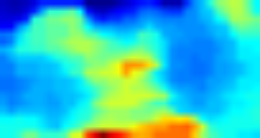
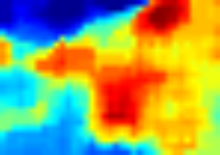
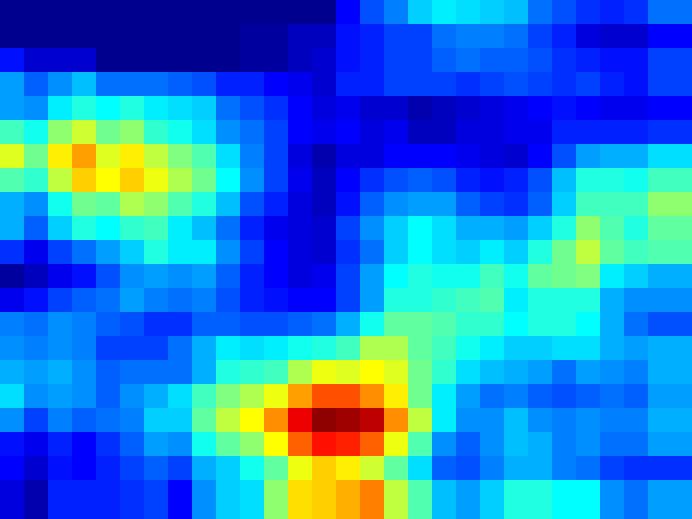
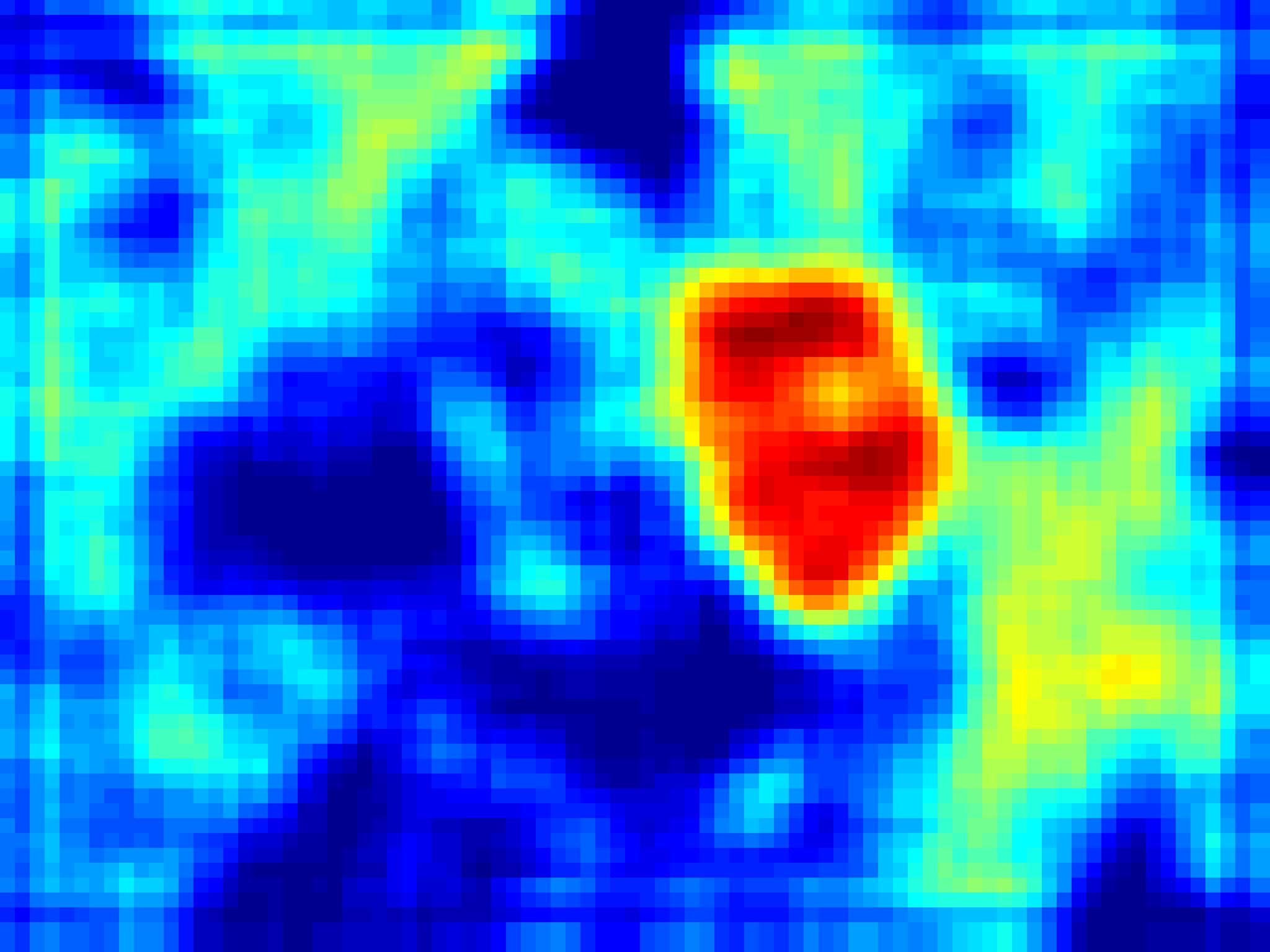
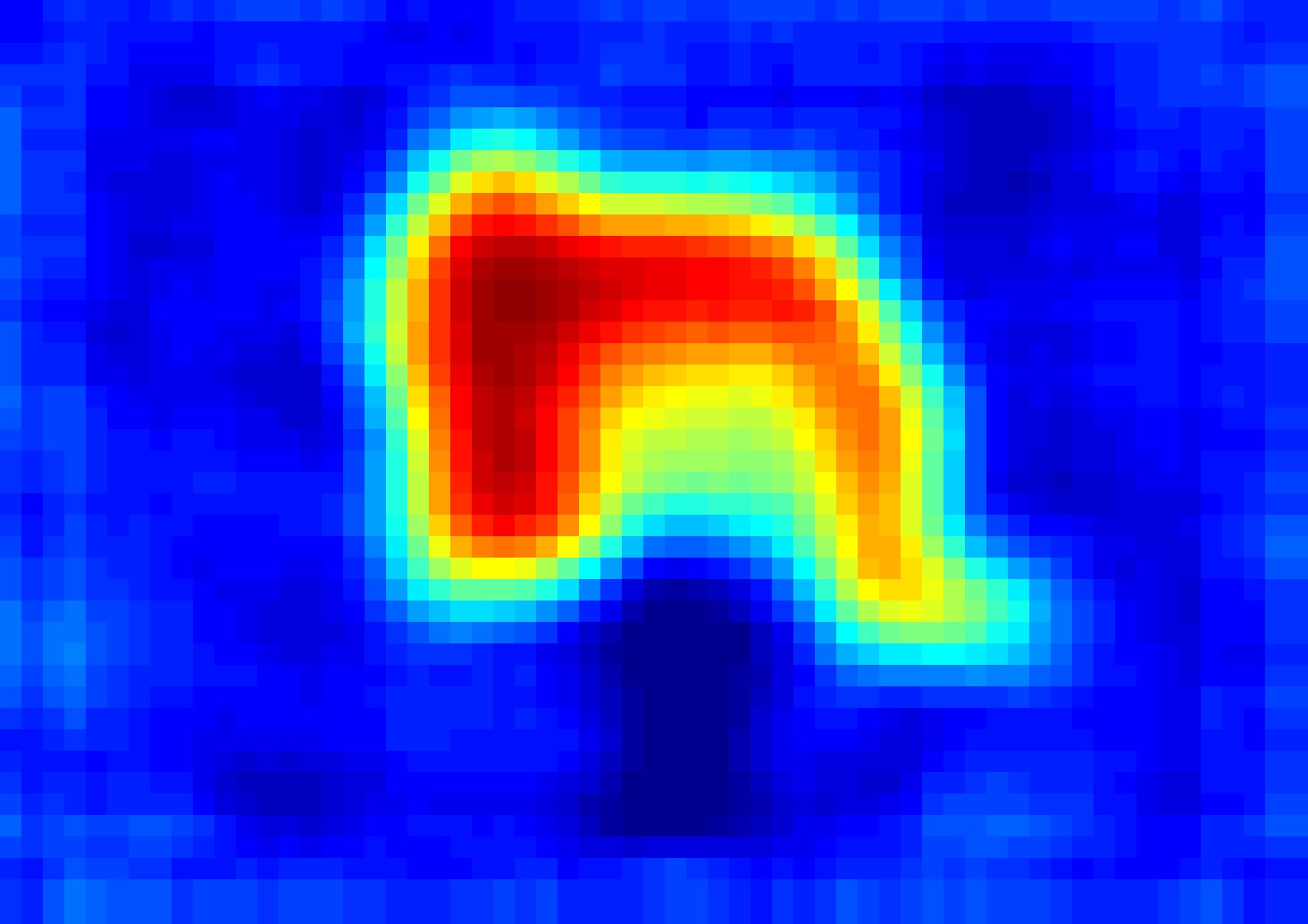
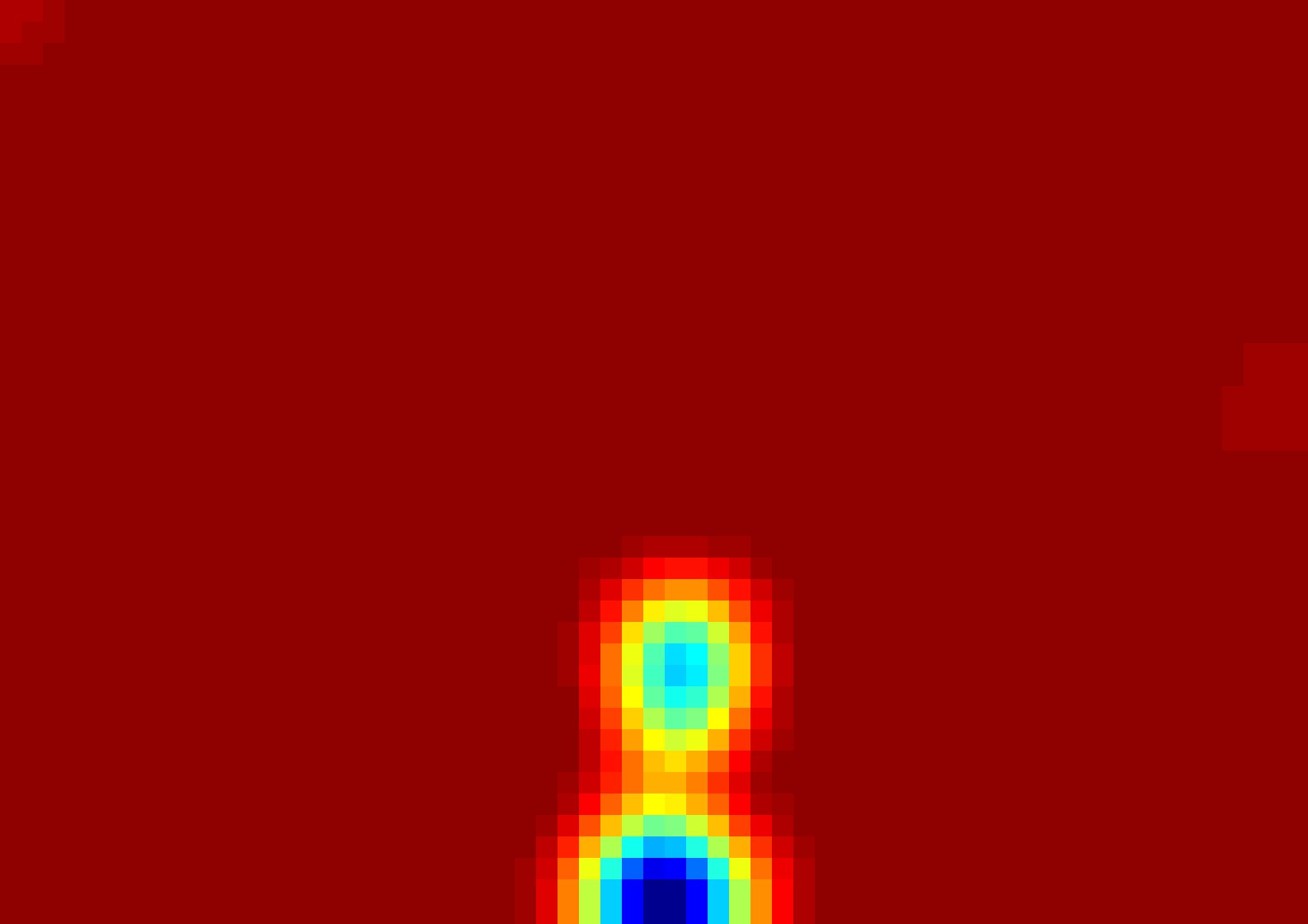
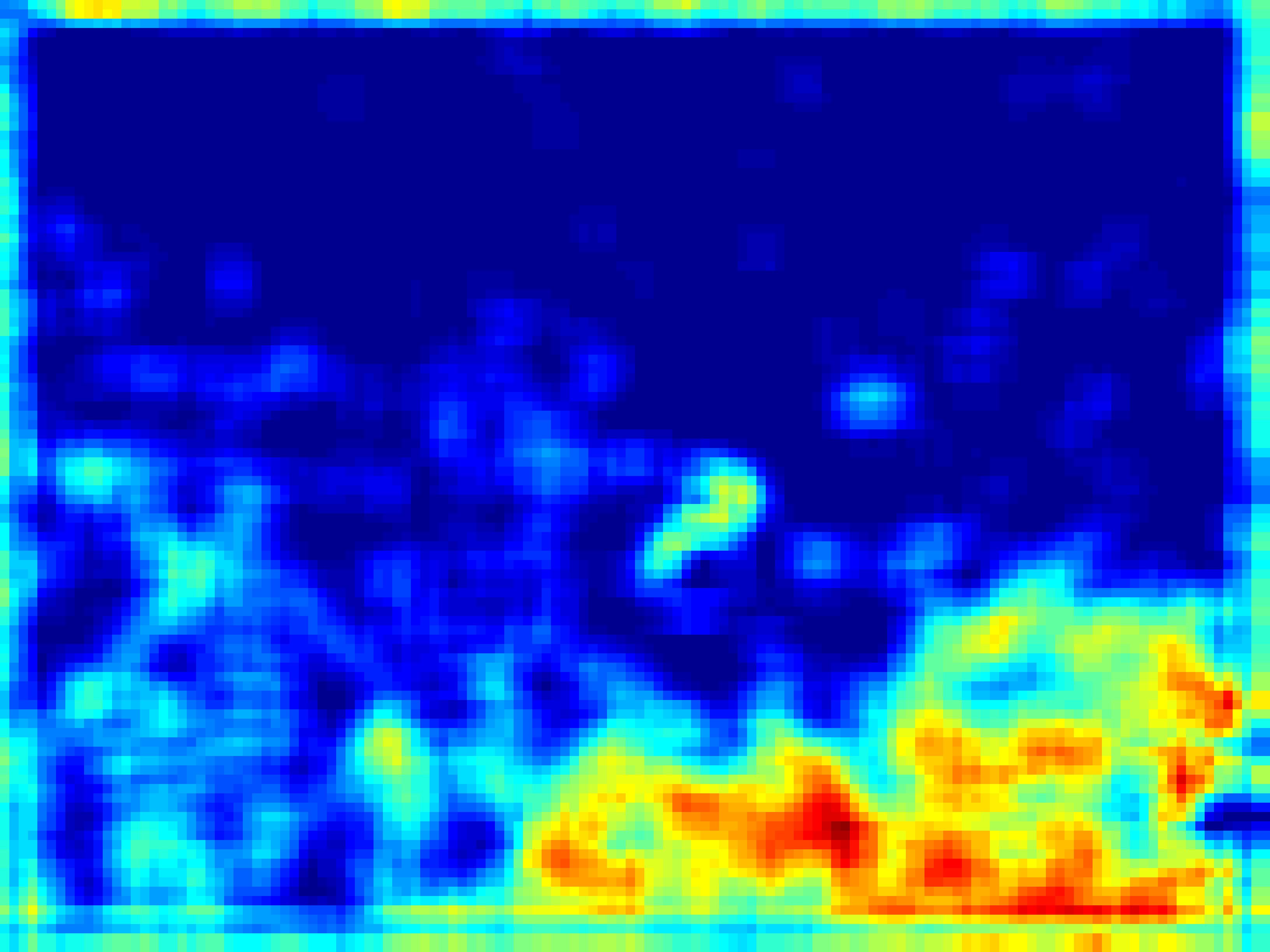
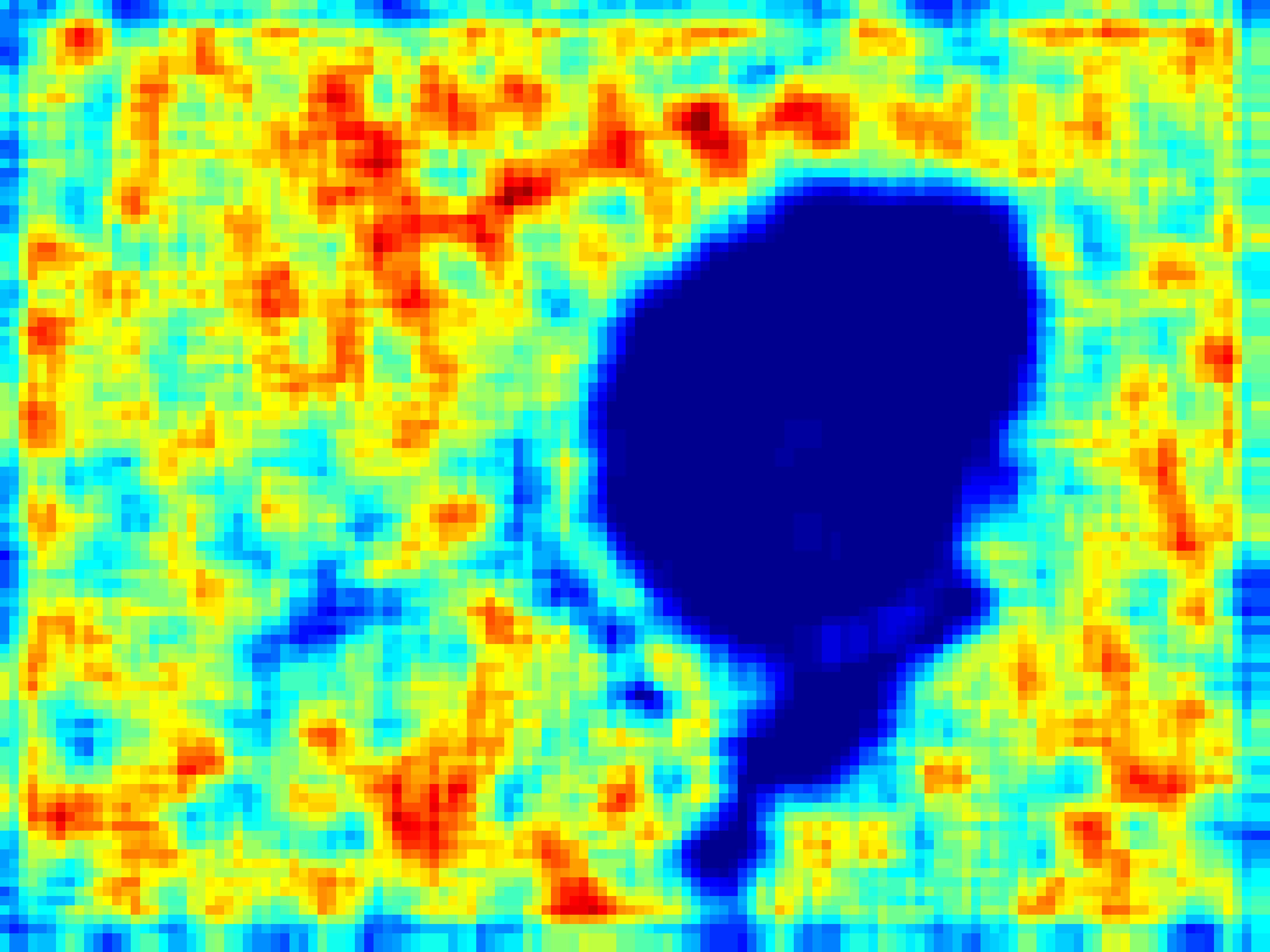
Double Quantization analysis detects the traces left by
consecutive JPEG compressions on an image. When a spliced region from one image is inserted into another, if
the
compression histories of the two images differ, the discrepancy may be detected by this algorithm. A typical
case of forgery that is detectable by this algorithm is when an item is taken from an image of high quality
(or
an uncompressed image, or an image that had its past JPEG traces destroyed by scaling/filtering) and placed
in
an image of lower quality. If the resulting spliced image is then saved as at a high quality, this should
result
in a successful detection. In the output map, red values (=1) correspond to high probability of a single
compression for the corresponding block, while low values (=0) correspond to low probability of single
compression. Localized red areas in an otherwise blue image are very likely to contain splices. Images with
non-localized high values and values in the range (0.2-0.8) (green/yellow/orange) should not be taken into
account.
Despicable Me 2 [NEW]
Despicable Me 2 [NEW]
For more details, see: Lin, Zhouchen, Junfeng He, Xiaoou Tang, and Chi-Keung Tang. "Fast,
automatic and fine-grained tampered JPEG image detection via DCT coefficient analysis." Pattern Recognition
42,
no. 11 (2009): 2492-2501.
Whether you’re a fan of the original “Despicable Me” or just looking for a fun and entertaining movie, “Despicable Me 2” is a great choice. So, grab some popcorn, sit back, and enjoy the hilarious adventures of Gru, Lucy, and the Minions.
“Despicable Me 2” was a critical and commercial success, grossing over $970 million worldwide. The movie received widespread praise from critics, with many praising its humor, animation, and heart. The film’s success can be attributed to its talented voice cast, including Steve Carell, Kristen Wiig, and Benjamin Bratt.
The beloved animated movie “Despicable Me” took the world by storm in 2010, introducing audiences to the eccentric and lovable supervillain Gru, played by Steve Carell. The film’s unique blend of humor, heart, and adorable Minions captured the hearts of both children and adults, making it a massive success. Eight years later, the sequel “Despicable Me 2” was released, picking up where the original left off and delivering even more laughs, excitement, and Minion mayhem.
The movie’s portrayal of Gru’s relationship with his daughters is particularly noteworthy. The film shows how Gru’s love for his daughters has grown, and he is now more focused on being a good father to them. The movie also touches on the importance of acceptance and understanding, as Gru and Lucy learn to work together and trust each other.
The Minions, those lovable, yellow creatures with a penchant for bananas and chaos, are back in a big way. They provide some of the movie’s funniest moments, from their antics in the AVL headquarters to their hilarious interactions with Gru and Lucy. The Minions have become a beloved part of the “Despicable Me” franchise, and their presence is a major reason why the movie is so enjoyable.
“Despicable Me 2” is a hilarious and heartwarming sequel that lives up to the original. With its talented voice cast, stunning animation, and laugh-out-loud humor, the movie is a must-watch for fans of the franchise. The film’s themes of family, friendship, and finding one’s true purpose add depth to the story, making it more than just a silly animated movie.
One of the standout aspects of “Despicable Me 2” is the introduction of new characters, including Lucy Wilde and the villainous Eduardo (Benjamin Bratt). Lucy brings a fresh dynamic to the movie, and her chemistry with Gru is undeniable. The film also explores themes of family, friendship, and finding one’s true purpose.
The animation in “Despicable Me 2” is top-notch, with vibrant colors, clever character designs, and impressive action sequences. The movie’s humor is also on point, with a mix of slapstick comedy, witty one-liners, and clever references. The film’s pacing is well-balanced, moving seamlessly from one hilarious scene to the next.
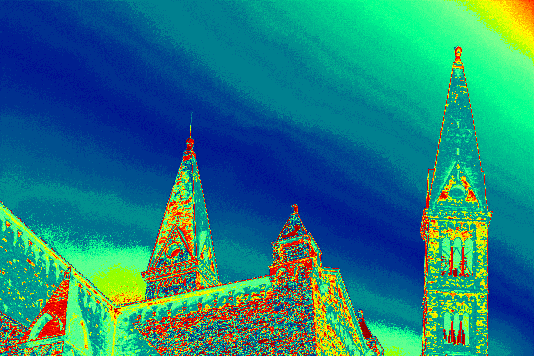
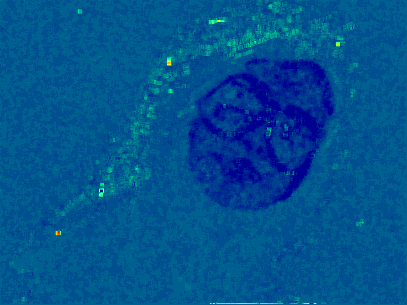
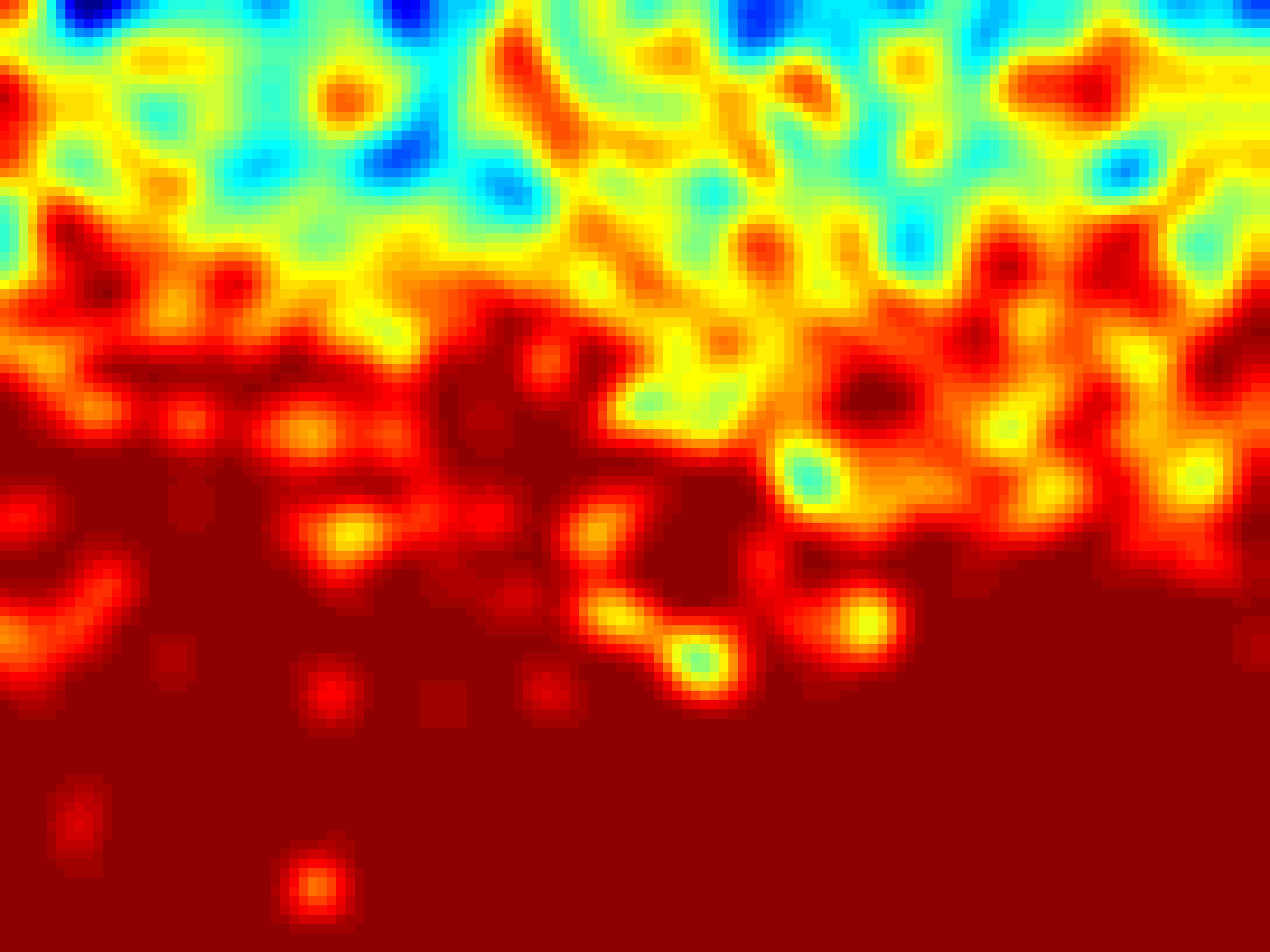
JPEG blocking artifact inconsistencies are traces left
when
tampering JPEG images by splicing, copy-moving or inpainting. JPEG compression is based on a non-overlapping
grid of adjacent blocks of 8×8 pixels. Any part of an image that has undergone at least one JPEG compression
carries a blocking trace of this dimension, and its presence is stronger at lower JPEG qualities. When
performing any forgery, it is highly likely that the 8×8 grid of the spliced or moved area will misalign
with
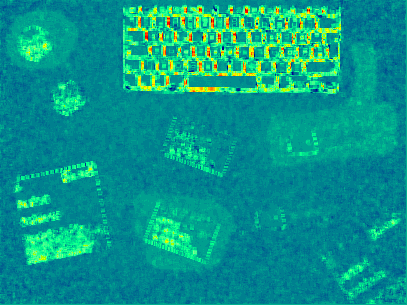
the rest of the image and leave a visible trace. The outputs of this algorithm are often noisy, and are
occasionally activated by high-variance image content, so an investigator should look for inconsistencies in
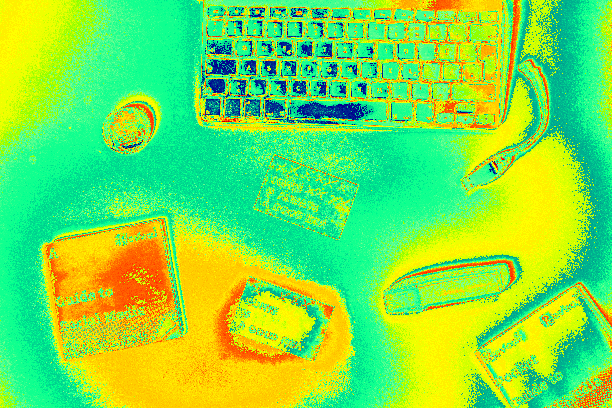
regions that should be uniform. In the third ȐDetectionsȑ example, the high values around the keyboard keys
are
to be expected due to the sharp edges. The discontinuities in the areas around the lower post-it, the upper
badge and the upper marker, on the other hand, cannot be attributed to image content, as they occur in the
middle of the (uniform) table surface. Thus, they have to be attributed to alterations of the image content.
Despicable Me 2 [NEW]
Despicable Me 2 [NEW]
For more details, see: Li, Weihai, Yuan Yuan, and Nenghai Yu. "Passive detection of doctored
JPEG
image via block artifact grid extraction." Signal Processing 89, no. 9 (2009): 1821-1829.
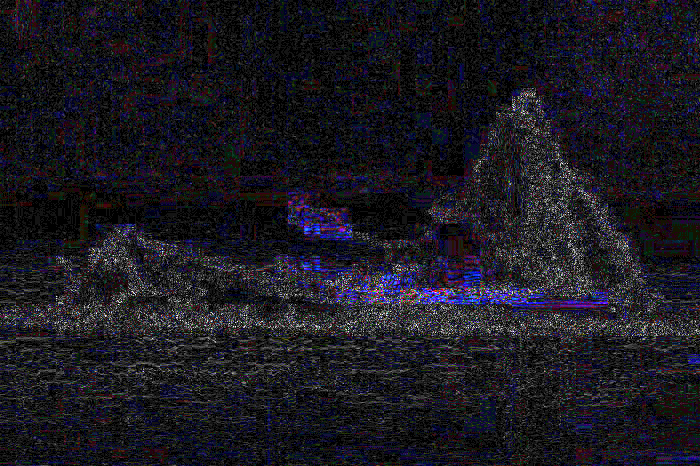
Error Level Analysis is based on a technique very
similar
to JPEG Ghosts, that is the subtraction of a recompressed JPEG version of the suspect image from the image
itself. In contrast to JPEG Ghosts, only a single version of the image is subtracted -in our case, of
quality
75. Furthermore, while the output of JPEG Ghosts is normalized and filtered to enhance local effects, ELA
output
is returned to the user as-is. The assumption is that, when subtracting a recompressed version of the image
from
itself, regions that have undergone fewer (or less disruptive, higher-quality) compressions will yield a
higher
residual. When interpreted by an analyst, areas of interest are those that return higher values than other
similar parts of the image. It is important to remember that only similar regions should be compared, i.e.
edges
should be compared to edges, and uniform regions should be compared to uniform regions.
Despicable Me 2 [NEW]
Despicable Me 2 [NEW]
For more details, see: http://fotoforensics.com/tutorial-ela.php
Median Noise Residuals operate based on the observation
that different images feature different high-frequency noise patterns. To isolate noise, we apply median
filtering on the image and then subtract the filtered result from the original image. As the median-filtered
image contains the low-frequency content of the image, the residue will contain the high-frequency content.
The
output maps should be interpreted by a rationale similar to Error Level Analysis, i.e. if regions of similar
content feature different intensity residue, it is likely that the region originates from a different image
source. As noise is generally an unreliable estimator of tampering, this algorithm should best be used to
confirm the output of other descriptors, rather than as an independent detector.
Despicable Me 2 [NEW]
Despicable Me 2 [NEW]
For more details, see: https://29a.ch/2015/08/21/noise-analysis-for-image-forensics
High-frequency noise patterns can be used for splicing
detection, as the local noise variance of an image is often unique and distinctive. This method detects the
local variance of high-frequency information on an image. In the resulting output maps, whether values are
high
or low is irrelevant. What is significant is the presence of localized consistent differences in noise
variance
values. Since high-frequency noise can be affected by the image content, comparisons should be made between
visually similar areas (e.g. edges to edges, smooth areas to smooth areas). Methods based on noise patterns
are
not particularly precise, and unless extremely clear patterns appear, this algorithm should be used in
conjunction with other detectors.
Despicable Me 2 [NEW]
Despicable Me 2 [NEW]
For more details, see: Mahdian, Babak, and Stanislav Saic. "Using noise inconsistencies for
blind
image forensics." Image and Vision Computing 27, no. 10 (2009): 1497-1503.
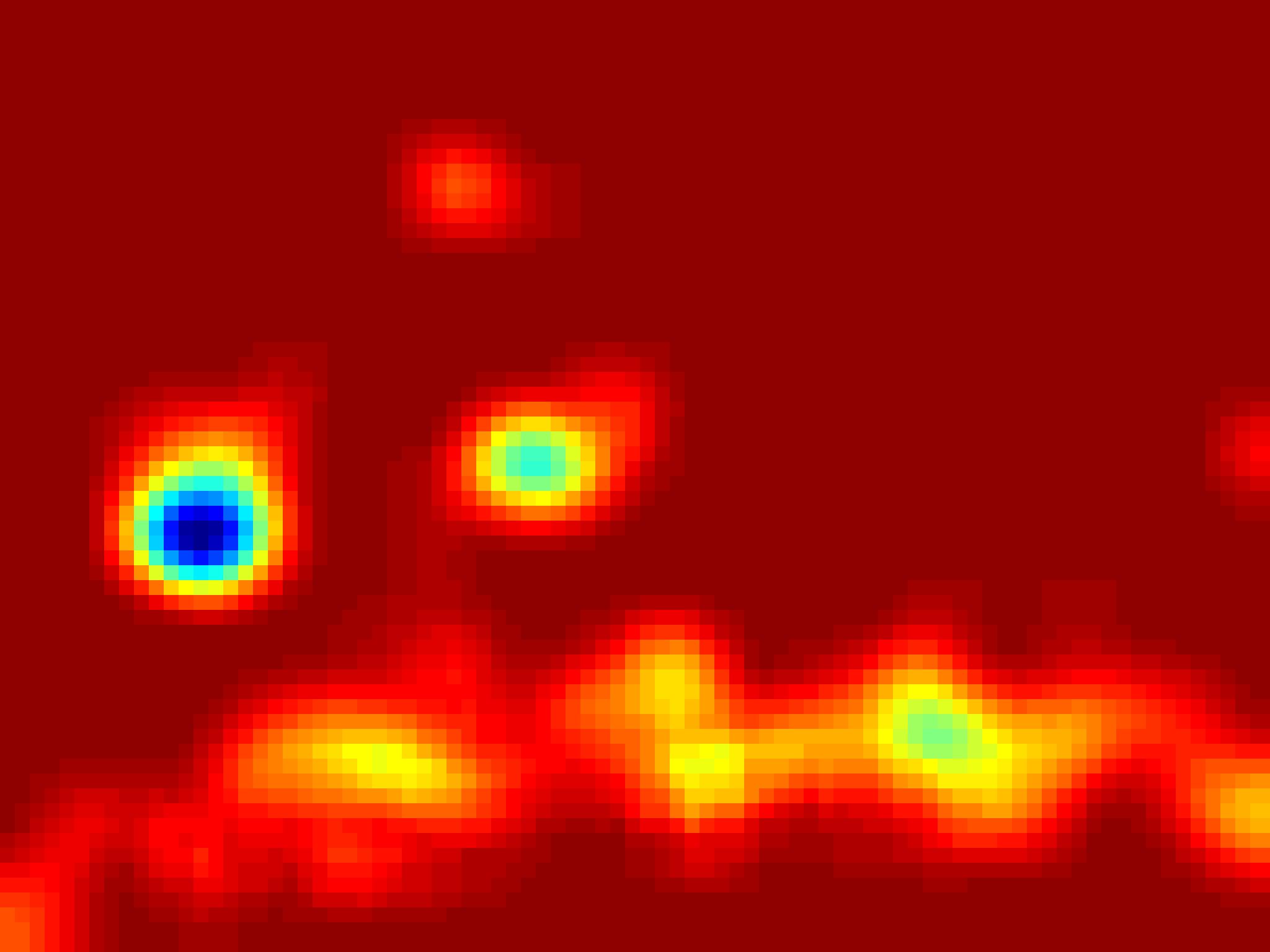
JPEG Blocking artifacts appear as a regular pattern of visible block boundaries in a JPEG
compressed image, as a result of the quantization of the coefficients and the independent
processing of the non-overlapping 8x8 blocks, during the DCT Transform. CAGI locates grid
alignment abnormalities in a JPEG compressed image bitmap, as an indicator of possible
forgery. Multiple grid positions are investigated in order to maximize a fitting function. Areas
of lower contribution are recognized as grid discontinuities (possible tampering). An image
segmentation step is introduced to differentiate between discontinuities produced by
tampering and those that are attributed to image content, clearing the output maps by
suppressing non-relevant activations. The higher readability of the maps comes with a cost
in the form of coarser-grained detection results, more so for low resolution images.
CAGI-Inversed accounts for tampering scenarios where the discontinuities appear as areas
of averagely higher contribution. The suppression of non-relevant activations is inversed
during the image segmentation step, and an alternative output maps is produced. The user
can then estimate the most appropriate output based on visual inspection.
JPEG Blocking artifacts appear as a regular pattern of visible block boundaries in a JPEG
compressed image, as a result of the quantization of the coefficients and the independent
processing of the non-overlapping 8x8 blocks, during the DCT Transform. CAGI locates grid
alignment abnormalities in a JPEG compressed image bitmap, as an indicator of possible
forgery. Multiple grid positions are investigated in order to maximize a fitting function. Areas
of lower contribution are recognized as grid discontinuities (possible tampering). An image
segmentation step is introduced to differentiate between discontinuities produced by
tampering and those that are attributed to image content, clearing the output maps by
suppressing non-relevant activations. The higher readability of the maps comes with a cost
in the form of coarser-grained detection results, more so for low resolution images.
CAGI-Inversed accounts for tampering scenarios where the discontinuities appear as areas
of averagely higher contribution. The suppression of non-relevant activations is inversed
during the image segmentation step, and an alternative output maps is produced. The user
can then estimate the most appropriate output based on visual inspection.
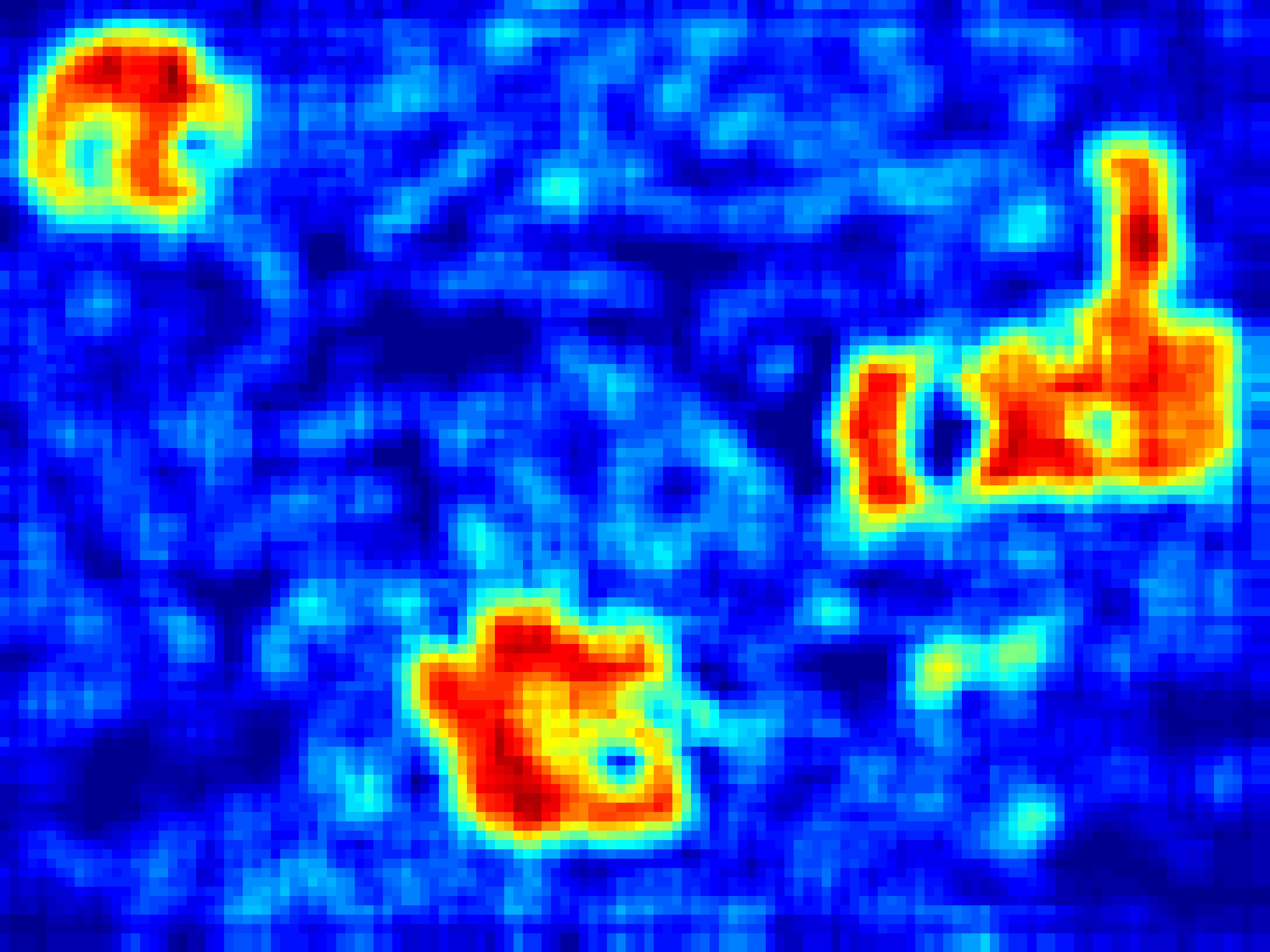
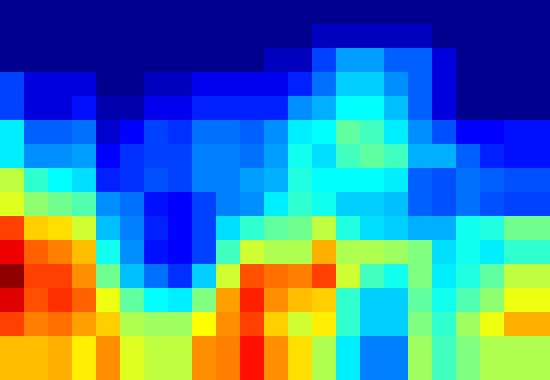
This is a deep learning approach on copy-move forgery detection. This approch aims to
highlight the copied and the correspoding original region with high values and the rest with low values.
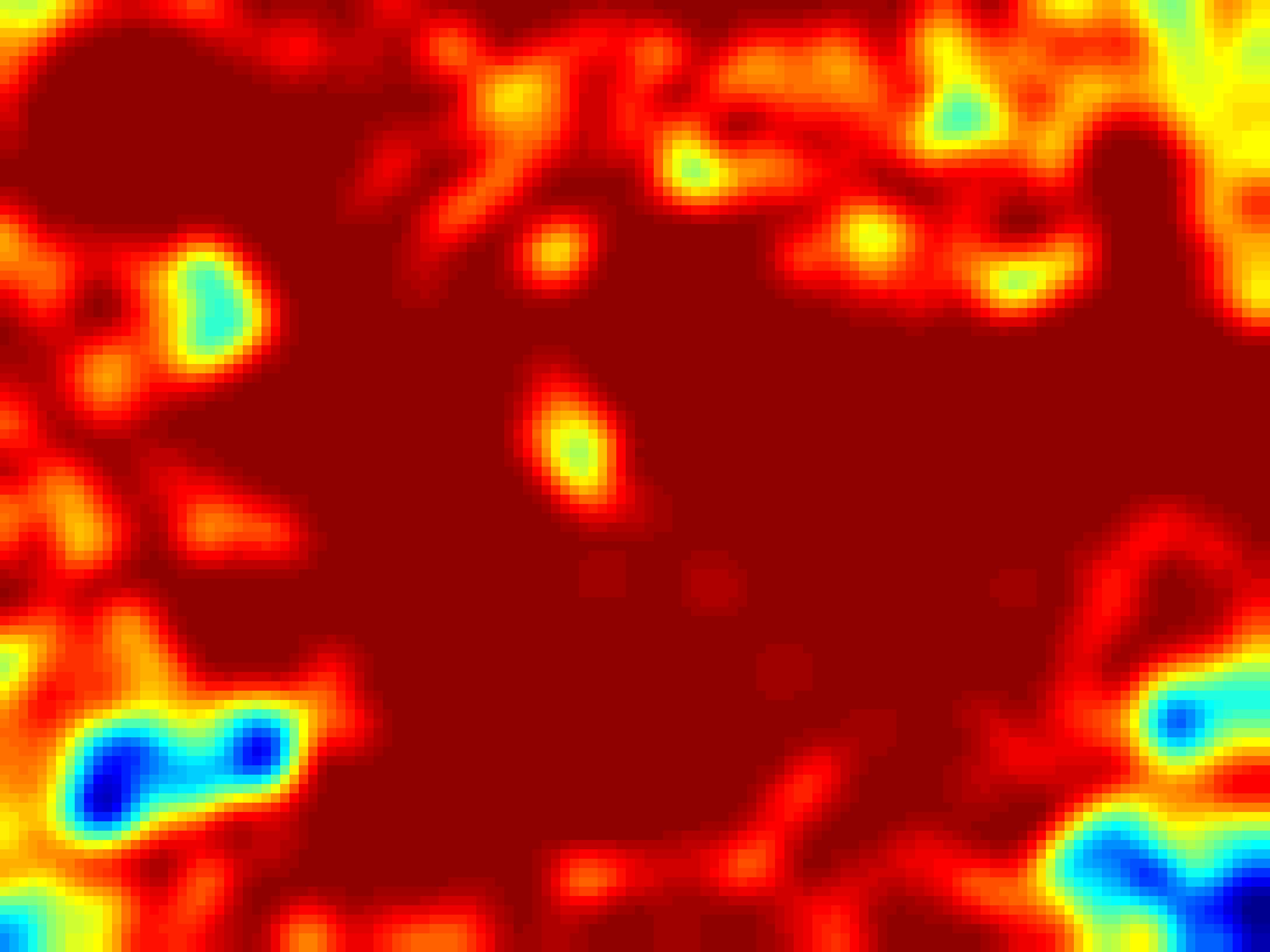
The DCT algorithm operates on JPEG files. Tampered areas should appear as
high values on a low-valued background. Usually, if medium-valued regions are present, then no conclusion can be
made.
Mantra-Net is a deep learning approach for forgery manipulation detection. It
shows regions which it believes are forged. However, in the absence of automatic analysis of the results, visual
interpretation is needed to distinguish true detections from noise.
Each image carries invisible noise as a result of the image processing pipeline. Residual
noise is estimated and then used to extract features. Regions having different features than the rest of the
image are pointed as suspicious. Due to the normalization, there will always be at least one pixel at a high
value even on an authentic image. Furthermore, care should be taken analyzing saturated regions; when those are
not automatically masked by the algorithm they may be detected as forgeries even when they are authentic.
Due to the design of each particular camera, traces are left on every captured image. These traces are a sort of camera fingerprint. This method extracts this fingerprint and detects regions where this fingerprint is inconsistant with the rest of the image. Care should be taken analysing saturated regions, which tend to produce false positives when they are not automatically masked by the algorithm.
The OMGFuser algorithm detects regions of the image that have been visually altered. It provides a forgery localization mask, that highlights in red color the altered regions, while the authentic ones are highlighted in blue. Furthermore, it provides an overall forgery probability for the image, that indicates whether some of its parts have been forged. To achieve this, it combines the outputs of multiple AI-based filters that analyze different low-level traces of the image, using a novel deep-learning framework, thus greatly reducing the amount of false-positives. OMGFuser is currently in an experimental release stage.
The MM-Fusion algorithm detects regions of the image that have been visually altered. It provides a forgery localization mask, that highlights in red color the altered regions, while the authentic ones are highlighted in blue. To achieve this it combines the output of several noise-sensitive filters, in order to capture different traces left by the manipulation operations.
Related paper: Triaridis, K., & Mezaris, V. (2023). Exploring Multi-Modal Fusion for Image Manipulation Detection and Localization. arXiv preprint arXiv:2312.01790.
The development of this model was supported by the EU's Horizon 2020 research and innovation programme under grant agreement H2020-101021866 CRiTERIA.
The TruFor The algorithm detects regions of the image that have been visually altered. It provides a forgery localization mask, that highlights in red color the altered regions, while the authentic ones are highlighted in blue. Furthermore, it provides an overall forgery probability for the image, that indicates whether some parts have been forged. To achieve this it utilizes a novel AI-based filter, called Noiseprint++, that captures the detail of the noise pattern in different regions of the image.
Related paper: Guillaro, F., Cozzolino, D., Sud, A., Dufour, N., & Verdoliva, L. (2023). TruFor: Leveraging all-round clues for trustworthy image forgery detection and localization. In Proceedings of the IEEE/CVF Conference on Computer Vision and Pattern Recognition (pp. 20606-20615).
OW-Fusion is a deep learning based approach that combines multiple forensic
filters and provides a overall localization. Tampered areas should appear as high values on a low-valued
background.
Whether you’re a fan of the original “Despicable Me” or just looking for a fun and entertaining movie, “Despicable Me 2” is a great choice. So, grab some popcorn, sit back, and enjoy the hilarious adventures of Gru, Lucy, and the Minions.
“Despicable Me 2” was a critical and commercial success, grossing over $970 million worldwide. The movie received widespread praise from critics, with many praising its humor, animation, and heart. The film’s success can be attributed to its talented voice cast, including Steve Carell, Kristen Wiig, and Benjamin Bratt.
The beloved animated movie “Despicable Me” took the world by storm in 2010, introducing audiences to the eccentric and lovable supervillain Gru, played by Steve Carell. The film’s unique blend of humor, heart, and adorable Minions captured the hearts of both children and adults, making it a massive success. Eight years later, the sequel “Despicable Me 2” was released, picking up where the original left off and delivering even more laughs, excitement, and Minion mayhem. Despicable Me 2
The movie’s portrayal of Gru’s relationship with his daughters is particularly noteworthy. The film shows how Gru’s love for his daughters has grown, and he is now more focused on being a good father to them. The movie also touches on the importance of acceptance and understanding, as Gru and Lucy learn to work together and trust each other.
The Minions, those lovable, yellow creatures with a penchant for bananas and chaos, are back in a big way. They provide some of the movie’s funniest moments, from their antics in the AVL headquarters to their hilarious interactions with Gru and Lucy. The Minions have become a beloved part of the “Despicable Me” franchise, and their presence is a major reason why the movie is so enjoyable. Whether you’re a fan of the original “Despicable
“Despicable Me 2” is a hilarious and heartwarming sequel that lives up to the original. With its talented voice cast, stunning animation, and laugh-out-loud humor, the movie is a must-watch for fans of the franchise. The film’s themes of family, friendship, and finding one’s true purpose add depth to the story, making it more than just a silly animated movie.
One of the standout aspects of “Despicable Me 2” is the introduction of new characters, including Lucy Wilde and the villainous Eduardo (Benjamin Bratt). Lucy brings a fresh dynamic to the movie, and her chemistry with Gru is undeniable. The film also explores themes of family, friendship, and finding one’s true purpose. The movie received widespread praise from critics, with
The animation in “Despicable Me 2” is top-notch, with vibrant colors, clever character designs, and impressive action sequences. The movie’s humor is also on point, with a mix of slapstick comedy, witty one-liners, and clever references. The film’s pacing is well-balanced, moving seamlessly from one hilarious scene to the next.